Blog

Latest posts from Astronomy Daily: Latest Space News

The Wall That Broke

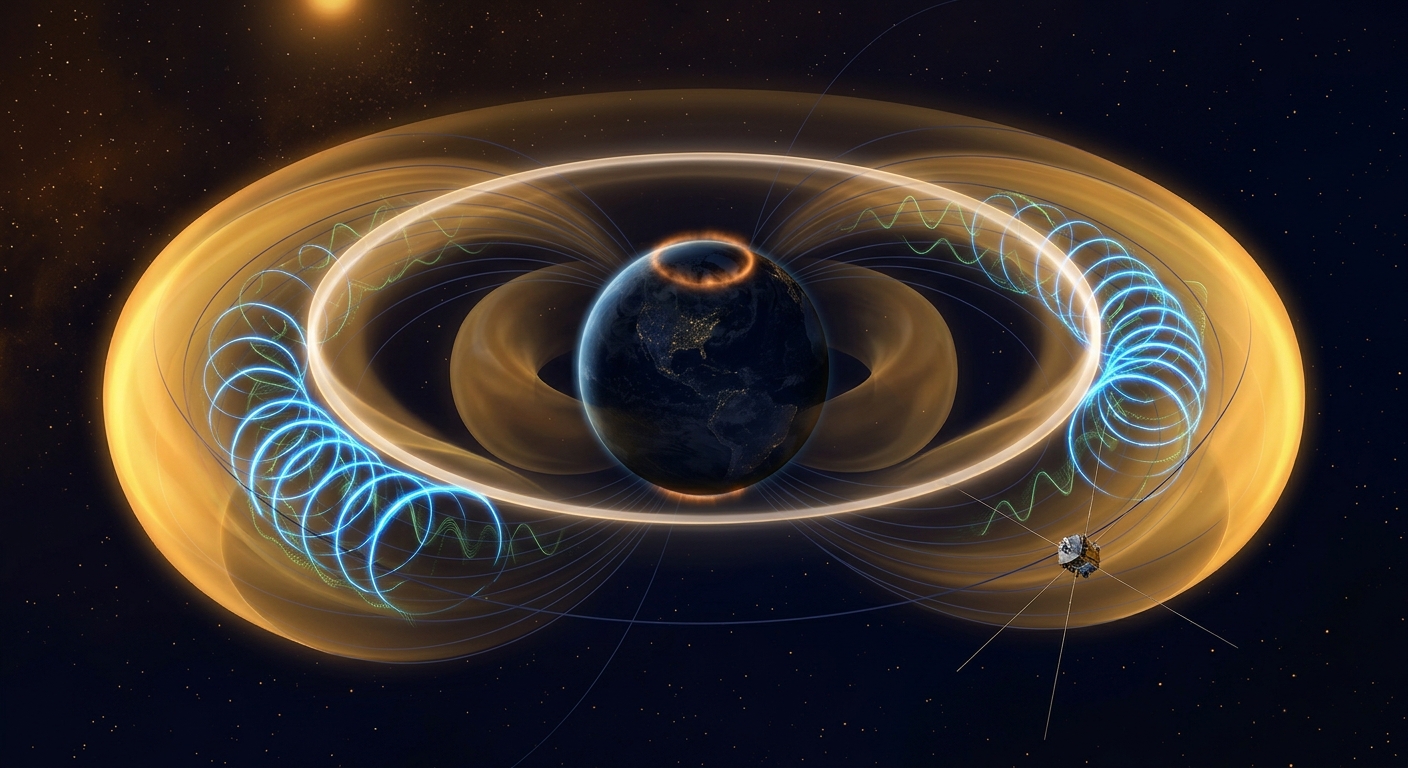
Earth is wrapped in radiation. James Van Allen's team found it in 1958 with a Geiger counter aboard Explorer 1: charged particles trapped by our magnetic field in two doughnut-shaped belts. The inner belt is dominated by energetic protons; the outer belt by electrons, and it is the restless one. A solar storm can empty it in hours or fill it with electrons moving at a large fraction of the speed of light.

Read more
Half the Neutron Stars

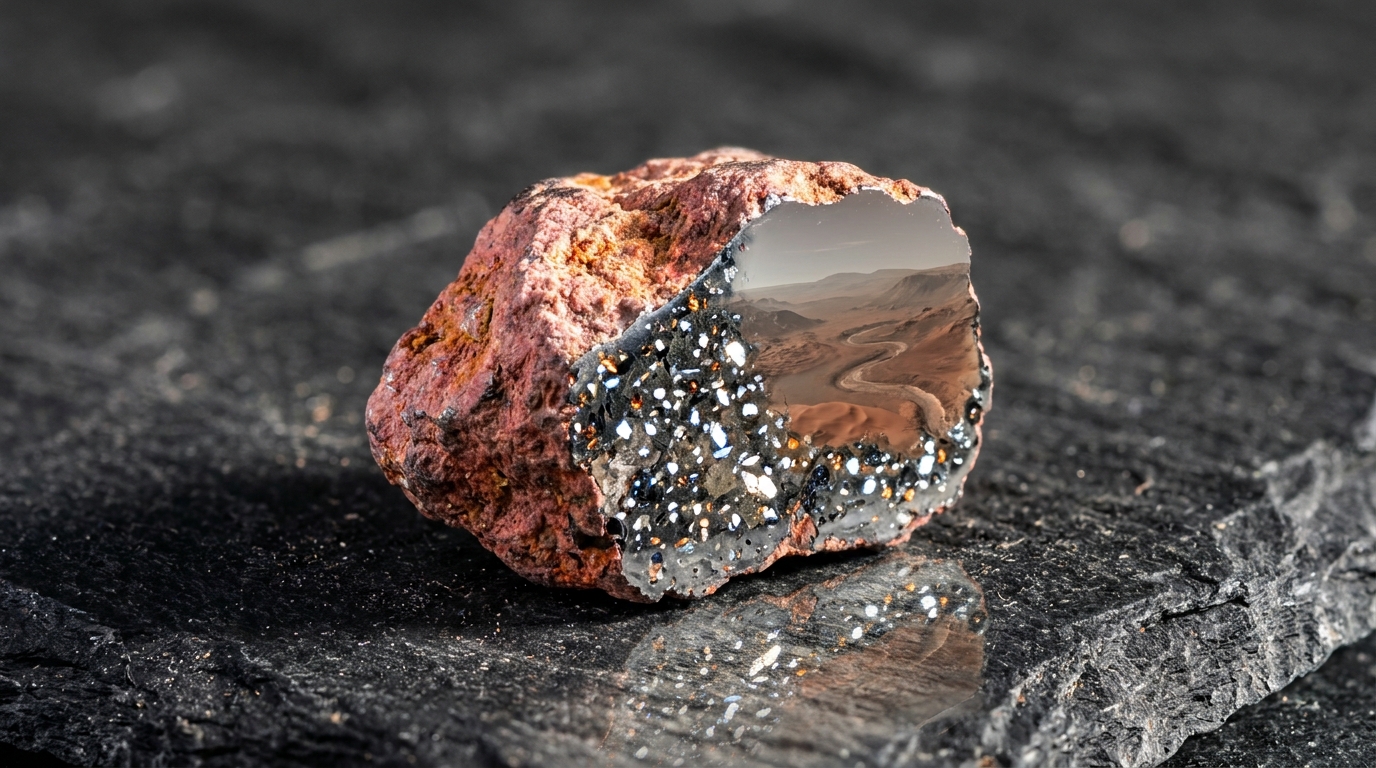
Magnetars were supposed to be freaks. About thirty are known in the Milky Way, against several thousand ordinary radio pulsars, and for thirty years that ratio has done quiet work in the back of everyone's mind: whatever a magnetar is, it is rare. A paper published this week in Nature Astronomy argues that the ratio was never measuring what we thought it was....

Read more

The Moon in Five Hours

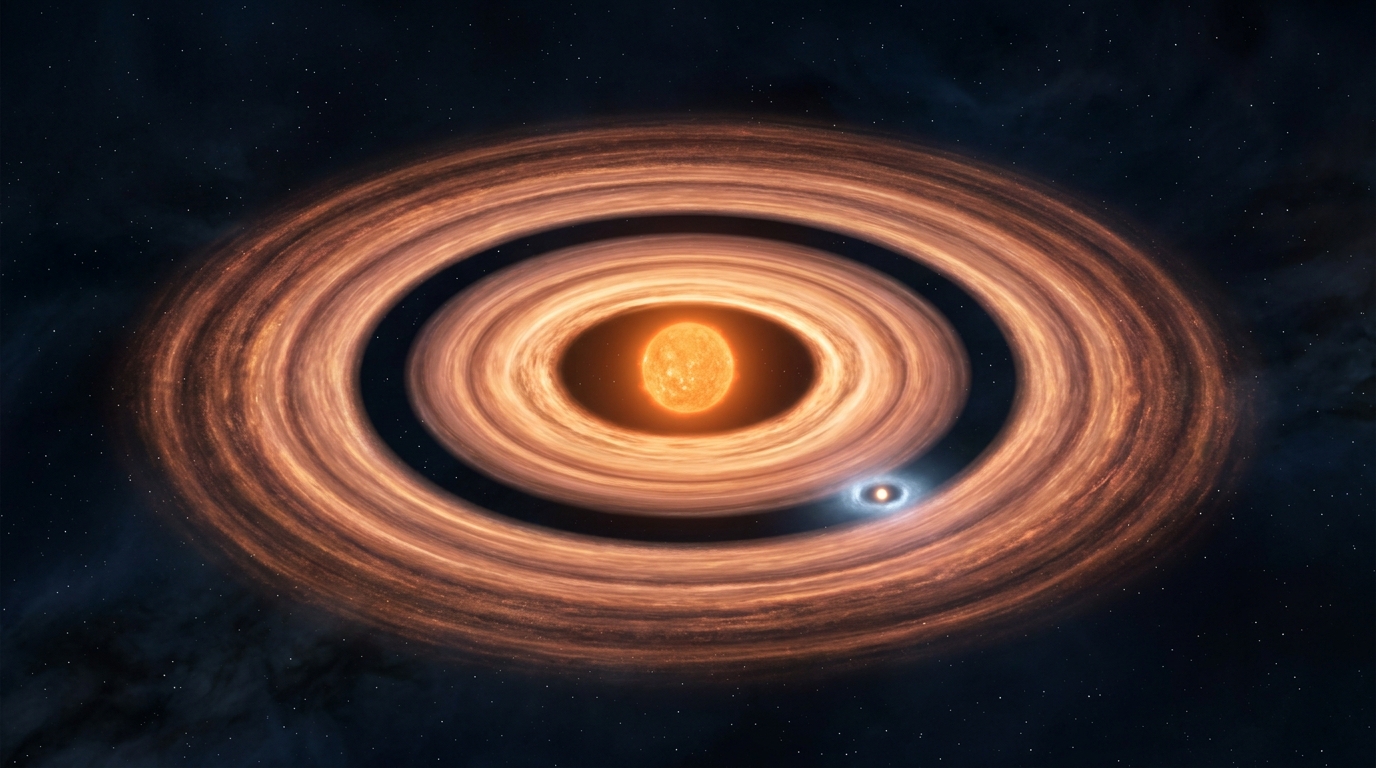
For half a century the story has been that the Moon assembled slowly out of a ring of debris. A new set of simulations changed one assumption — and got a finished Moon before dinner.

Read more

Europe Launches From Europe: Sixty-Nine Years Late, and Worth the Wait

Here is a fact that sounds like a mistake until you check it. In the entire history of the space age, no vehicle had ever reached orbit from Western European soil. Not one. Europe has been a first-rank space power for half a century — Ariane, Rosetta, Gaia, Huygens touching down on Titan — and every one of those missions left the ground from Kourou, in French Guiana, on the north-east coast of South America.

Read more

The Most Interesting Result in Physics This Week Is a Non-Discovery

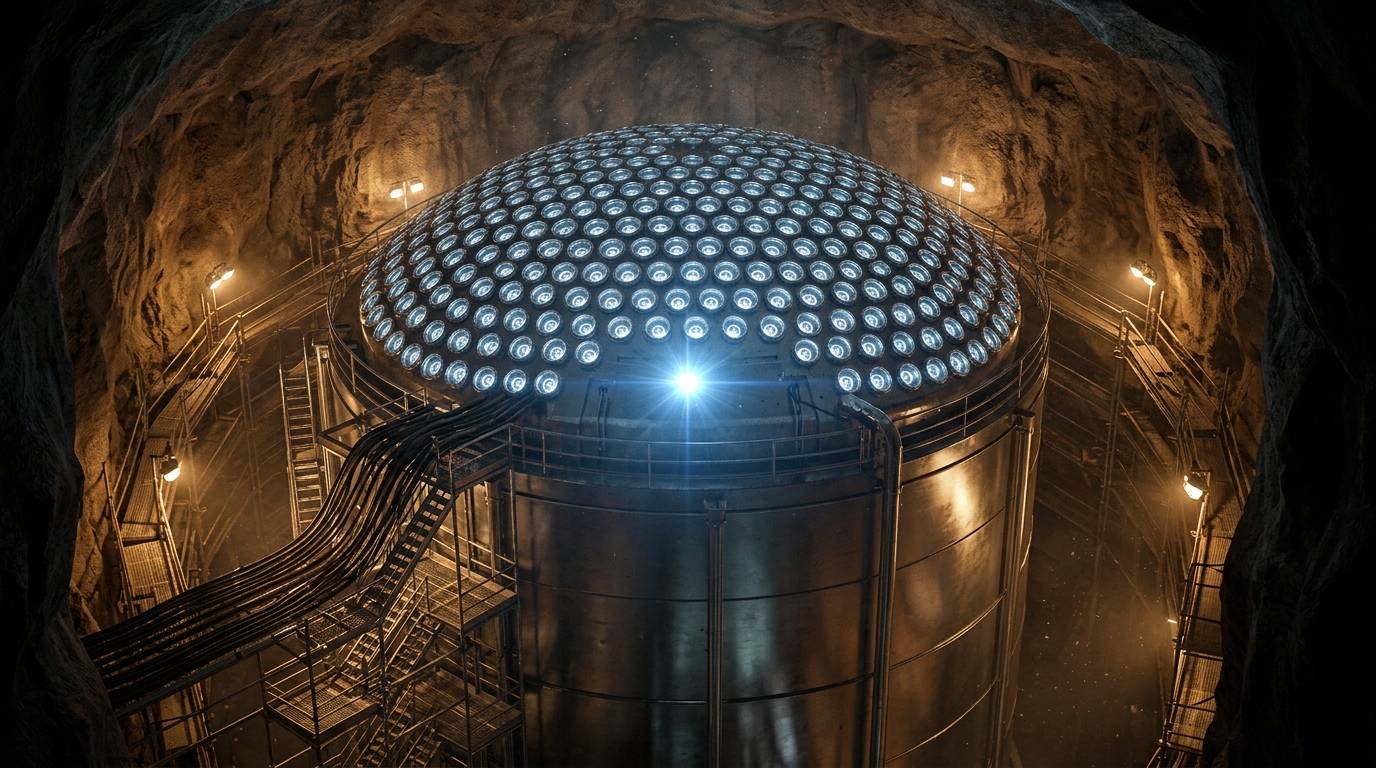
There is a tank of liquid xenon — ten tonnes of it — sitting about a mile beneath South Dakota, in a mine that used to produce gold. It is wrapped in a water tank, surrounded by a neutron veto, and built from materials screened for radioactivity to a degree that borders on obsessive. The entire purpose of the apparatus is to be the quietest place anyone has ever constructed, so that if something very rare happens inside it, you will notice.

Read more