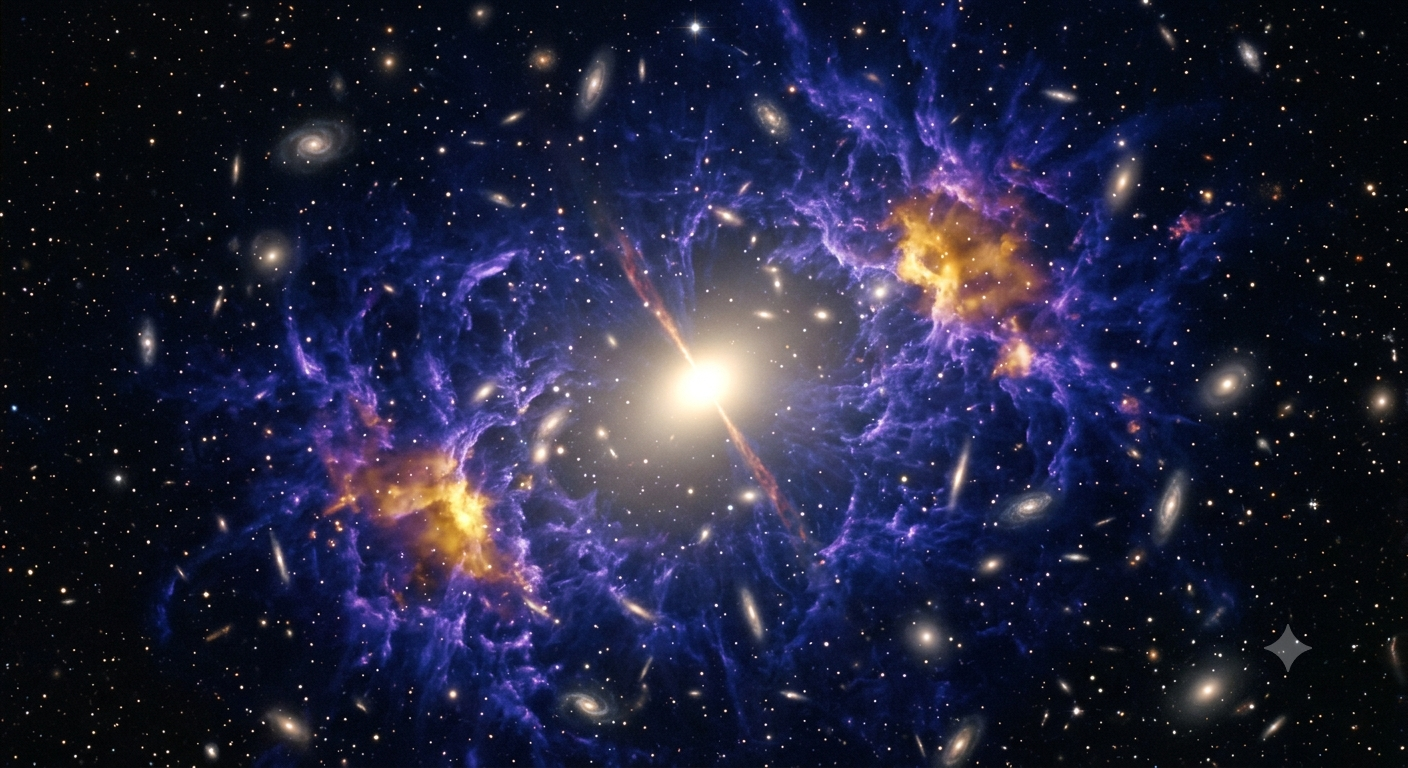
The Reach of a Giant
How a single black hole stirs an entire galaxy cluster — and why that keeps galaxies in check.
Read moreLatest posts from Astronomy Daily: Latest Space News
How a single black hole stirs an entire galaxy cluster — and why that keeps galaxies in check.
Read more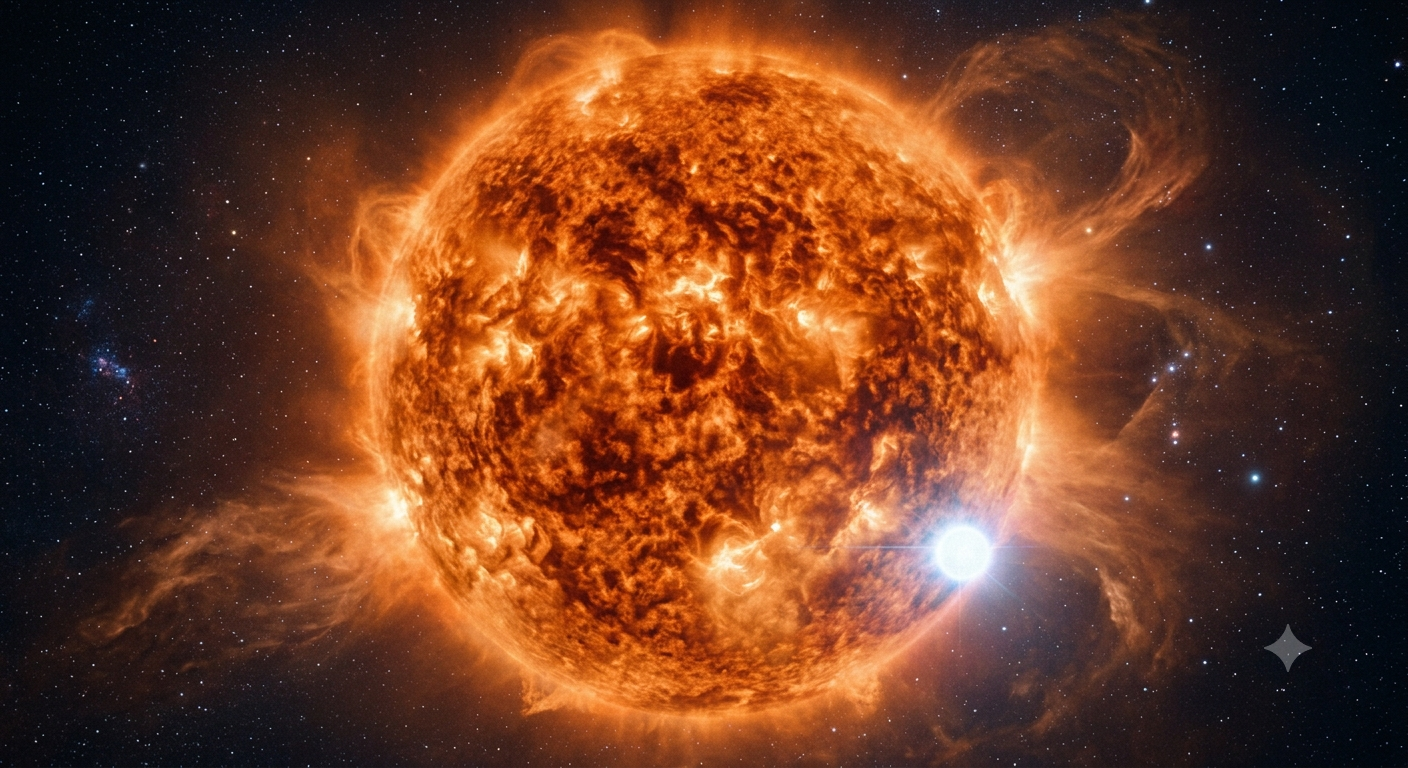
Look up at Orion on any clear night and you have already met the star at the centre of this week’s biggest astronomy story. Betelgeuse — the deep-orange point marking the hunter’s shoulder — is a red supergiant so vast that, dropped into our own solar system, it would engulf the orbit of Jupiter.
Read more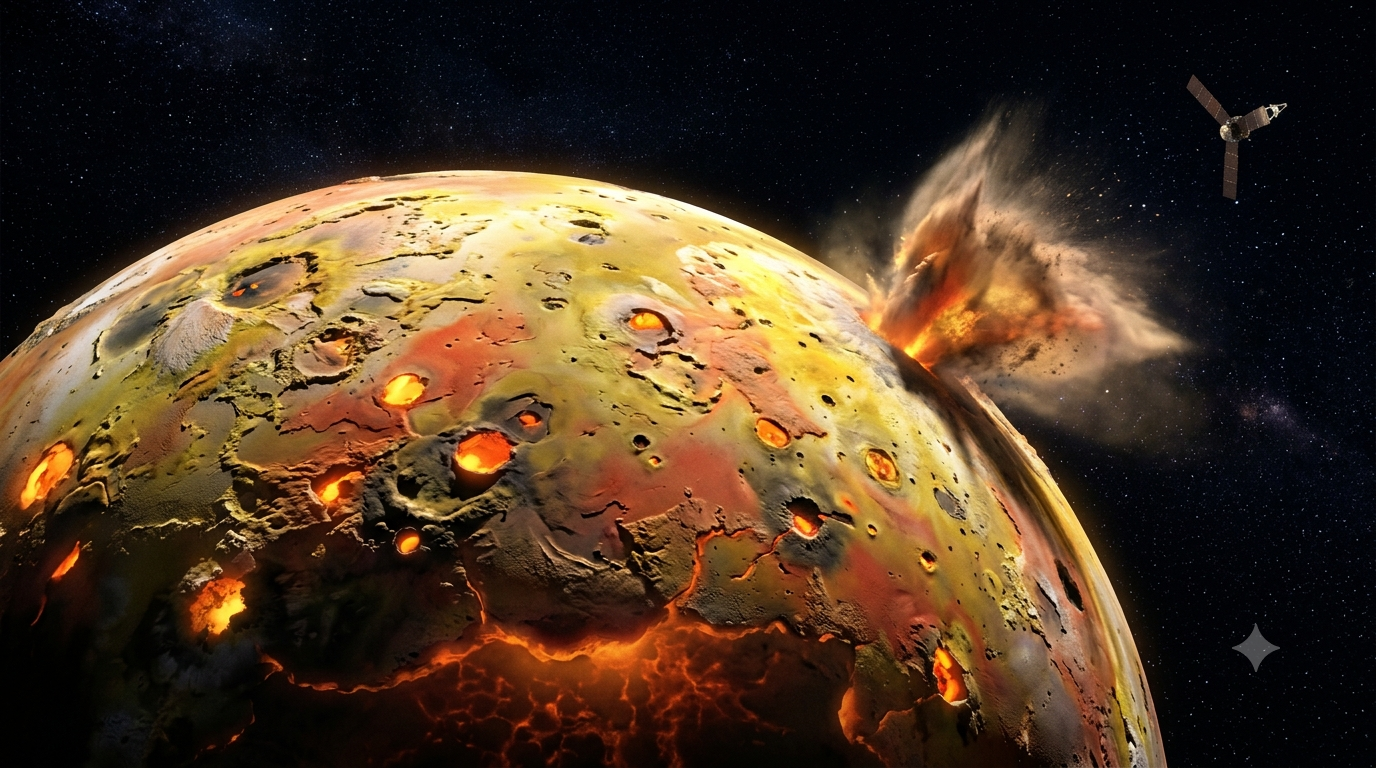
Io is a place of superlatives. More than four hundred active volcanoes. Lava lakes. Plumes that climb hundreds of kilometres above the surface. Its garish yellows and sulphur reds come from being resurfaced, endlessly, by its own eruptions. All of that fury is driven by tidal heating:
Read more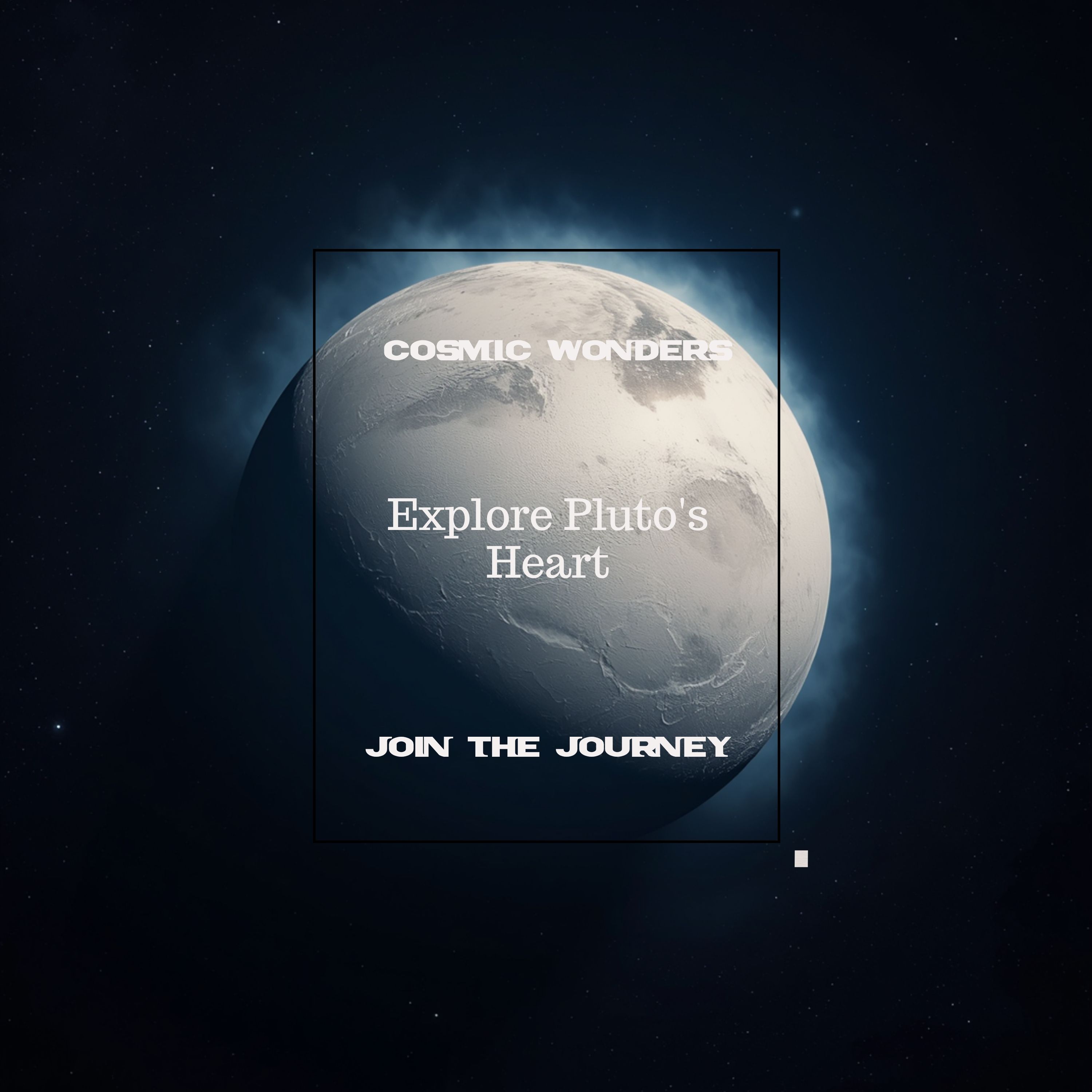
There is a faint dot in the constellation Capricornus tonight that you almost certainly cannot see, and it is the most argued-about object in the Solar System. Pluto reaches opposition on 27 July — sitting directly opposite the Sun in our sky, rising at sunset, riding highest around midnight, and sitting about as close to Earth as it ever gets, a little under 35 astronomical units away. That makes tonight its brightest of the year.
Read more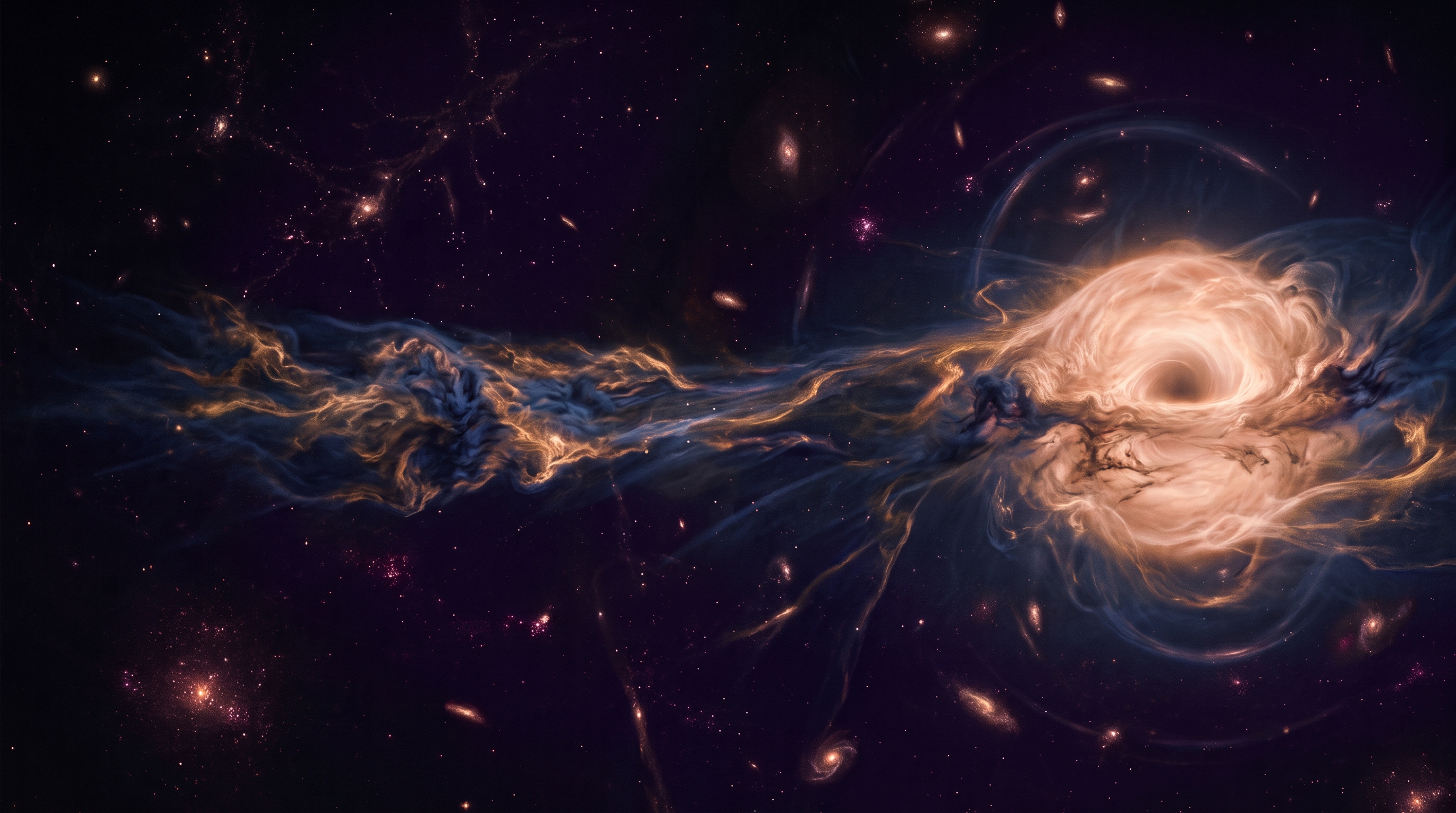
Today on Astronomy Daily: a gas-shrouded black hole from 13 billion years ago, a spectacular Perseid peak, a satellite built to watch other satellites, and a veteran astronaut's well-earned retirement
Read more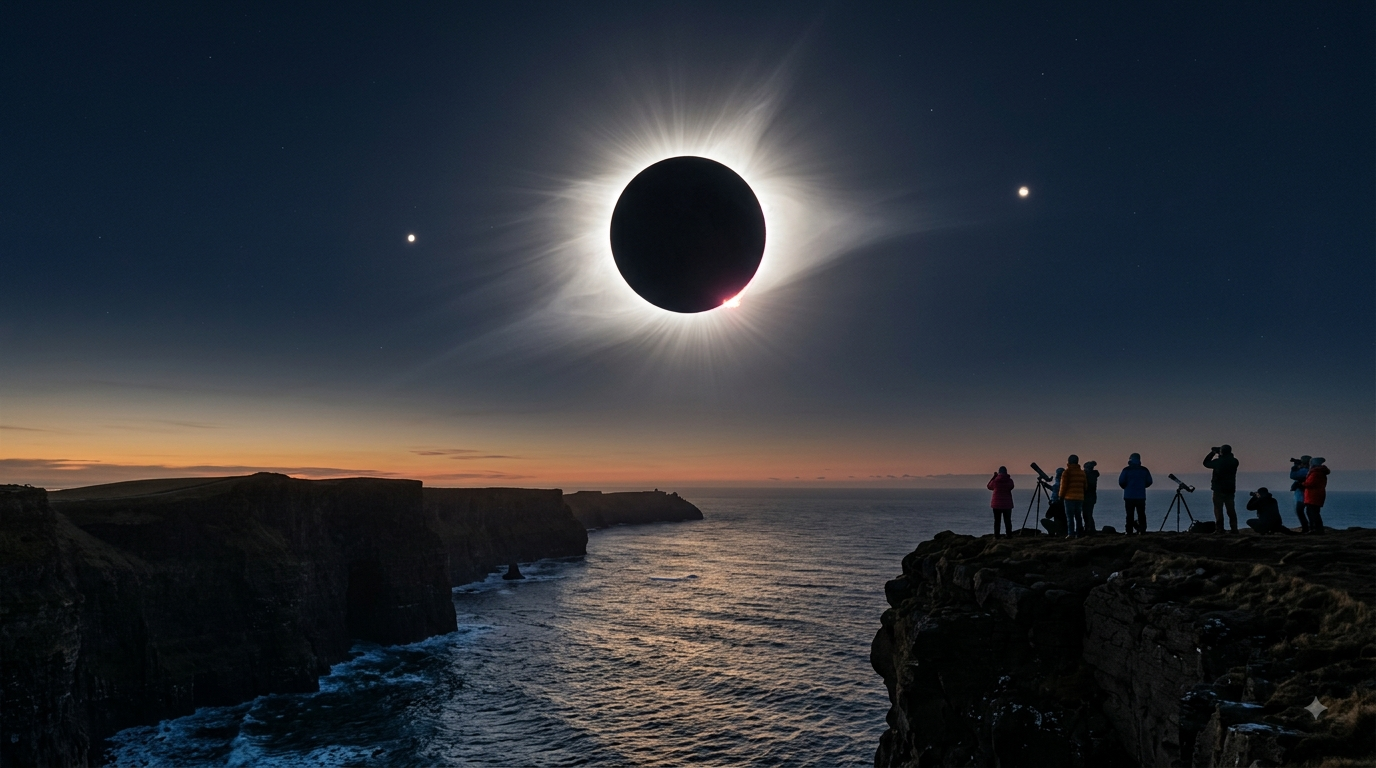
Yesterday, for two minutes and eighteen seconds, the sky over a windswept cliff on the western tip of Iceland went dark in the middle of the afternoon. It was the longest point of totality anywhere on land during the August 12 total solar eclipse — a shadow 182 miles wide that raced from the Arctic Ocean, down across eastern Greenland and western Iceland, and out across northern Spain before finally slipping off the edge of the Mediterranean.
Read more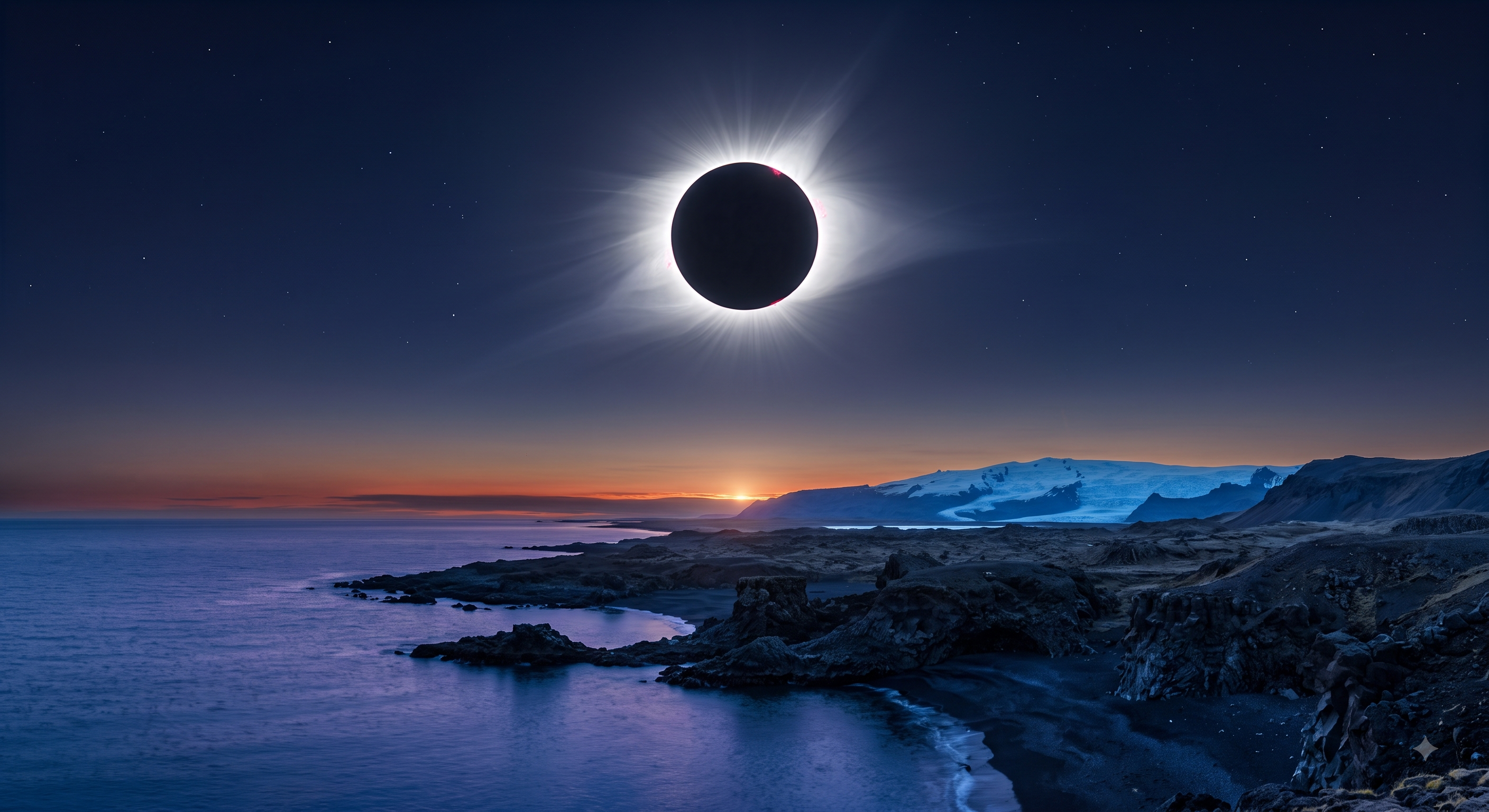
The only total solar eclipse of 2026 falls today. Here’s where it goes, what you’ll see, and why scientists are chasing it.
Read more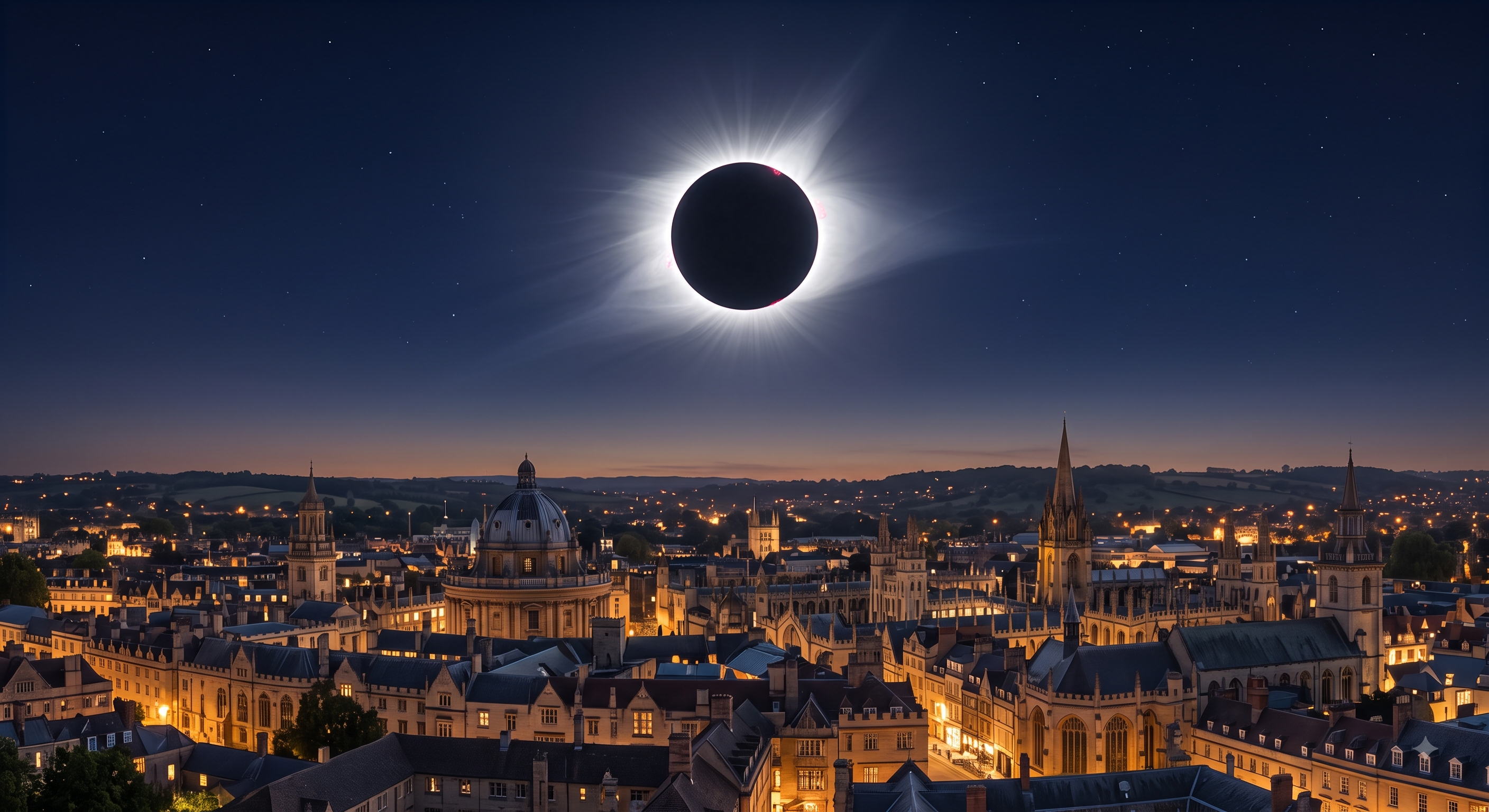
Every so often the sky arranges a moment worth rearranging your evening for. Tomorrow — 12 August 2026 — is one of them. In fact it’s two, about twelve hours apart, and they share a single cause: a New Moon.
Read more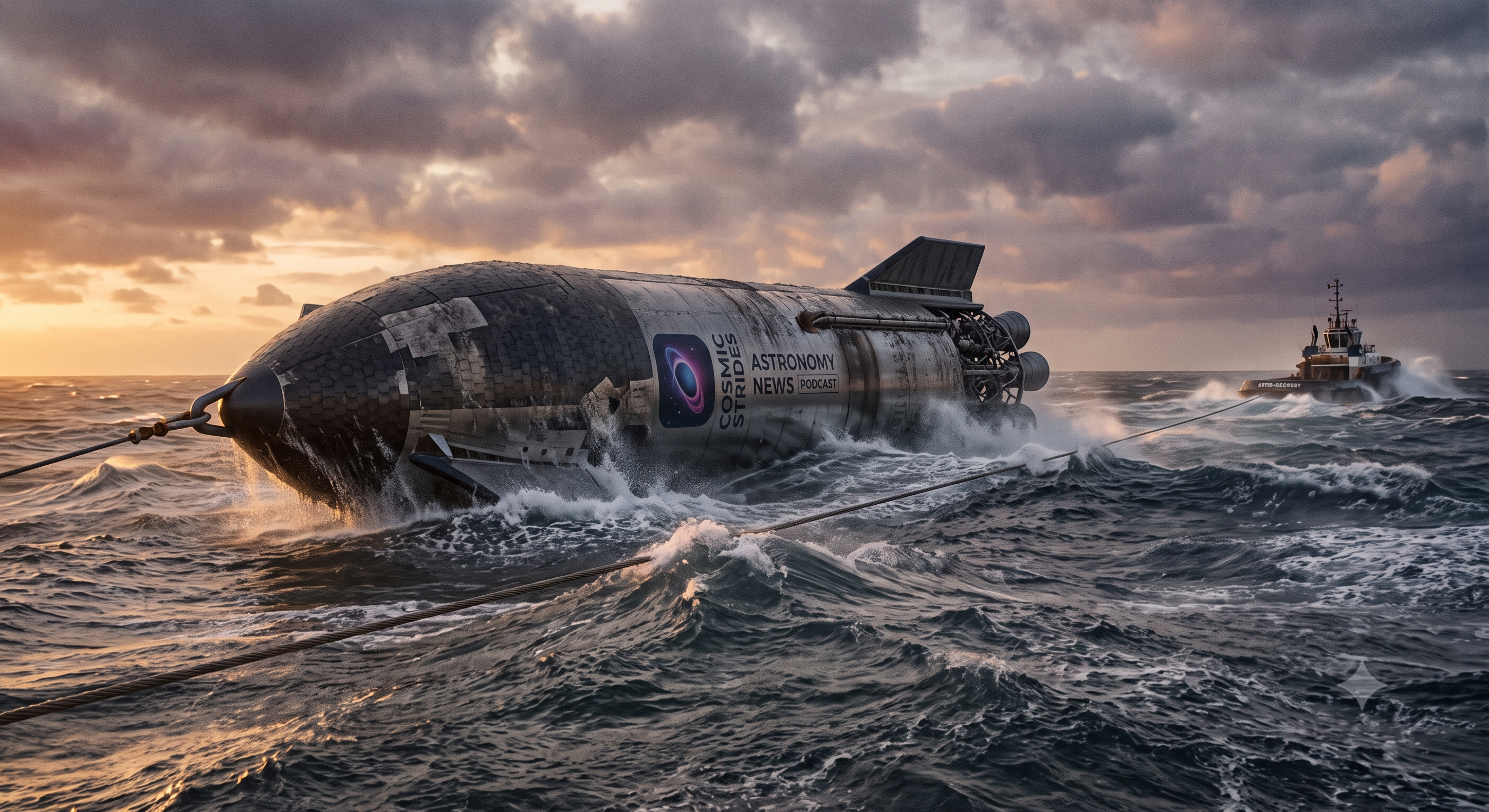
Somewhere in the Indian Ocean, more than thirteen hundred kilometres off the coast of Western Australia, a rope runs from a tugboat to the nose of a rocket. On the other end of that rope is the top half of a SpaceX Starship — fifty-two metres of stainless steel that, for two weeks now, has stubbornly refused to sink.
Read more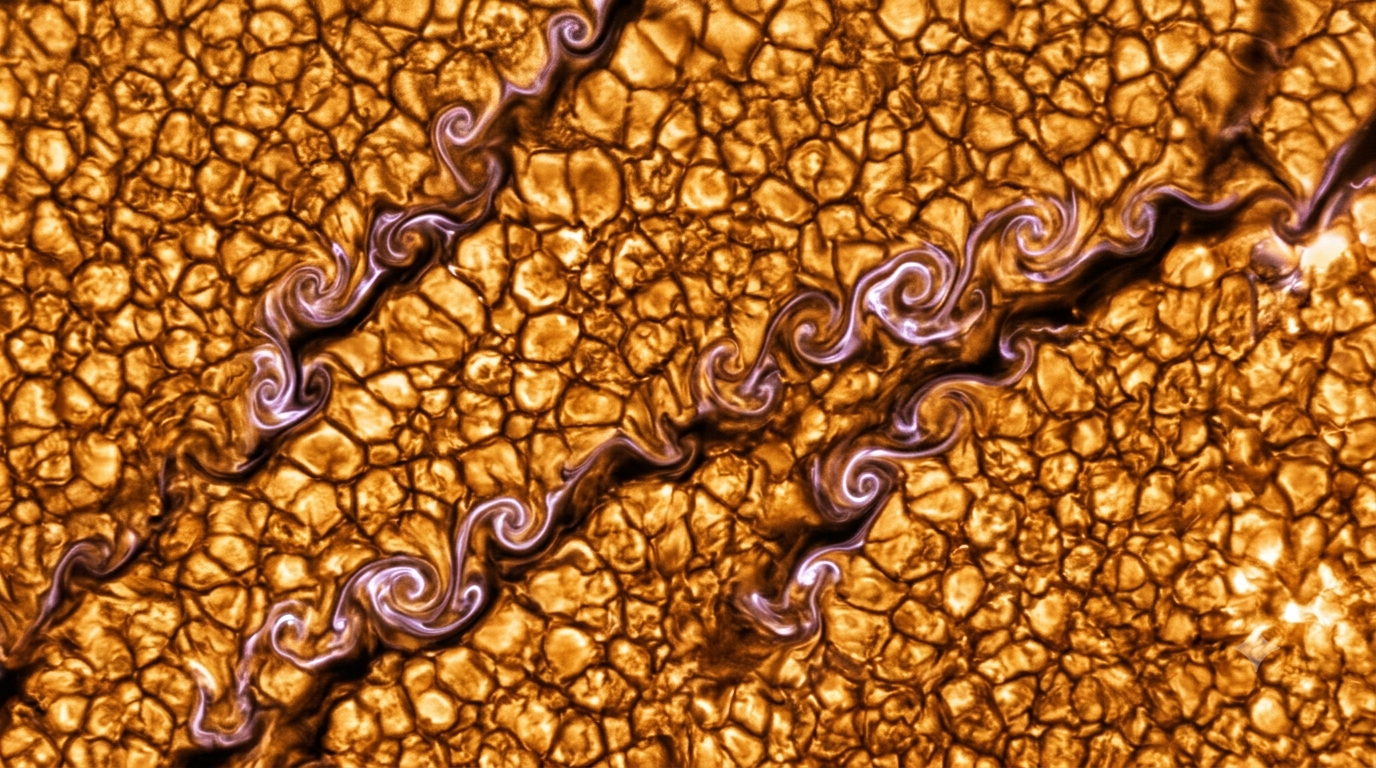
For more than a century, physicists have known that whenever two fluids slide past each other at different speeds, the boundary between them can curl into a row of spiralling vortices. You have seen it yourself: wind peeling the crest off an ocean wave, or those tidy rows of breaking-wave cloud that ripple across an evening sky.
Read moreBuild your own in under 5 minutes. Preview before you sign up — no credit card needed.
Create your free site →Verification couldn't load. Please refresh and try again.